Definitions
A collection of words that I cherish, their definitions and meaning explored anew.
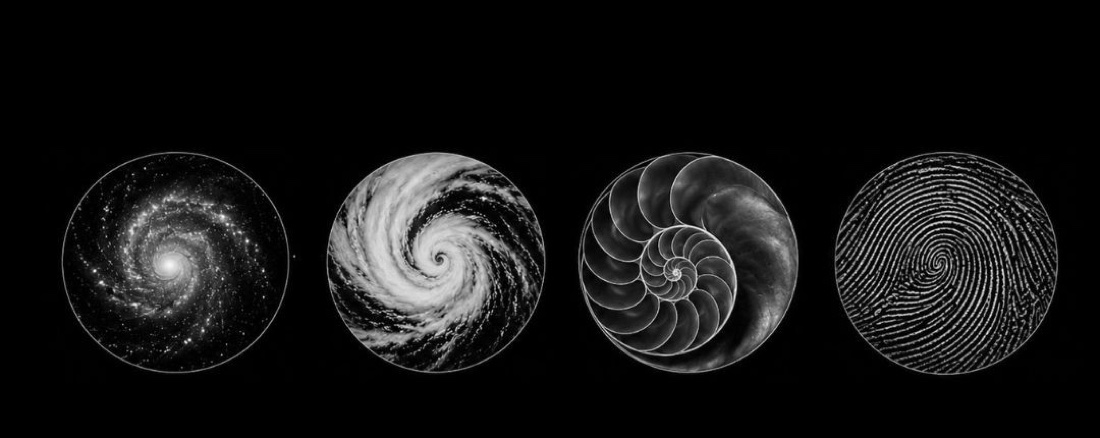
huniverse
noun · /hjuːnɪvɜːrs/
From Latin humanus (earthly being) and universus (all turned into one, from unus: one, and vertere: to turn).
The whole universe expressed through a single human being. Every person is not a fragment of the universe, they are a complete universe in themselves: singular, limitless, containing within them memories, emotions, original nature, contradictions, light and shadow.
A microcosm of the macrocosm.
A fractal of oneness. Never ending. Endless beginning.
A word created by Mathilde De Luca
philosophy
noun · /fəˈlɒsəfi/
From Ancient Greek philo (φίλος: love) and sophia (σοφία: wisdom). Literally: the love of wisdom.
Philosophy is the pursuit of wisdom through reflection, curiosity, and the refusal to settle into fixed answers.
A lifelong practice of understanding ourselves, others, and reality by questioning what seems obvious, in order to live with greater clarity, freedom, and meaning.
Not a system. Not an authority.
But a way of learning how to live well.
anamnesis
noun · /ænæmˈniːsɪs/
From Ancient Greek ana (back, again) and mimnēskō (to remember). Meaning: remembrance, or recollection.
Not simply the act of remembering the past, but the process of bringing back into awareness what was already within.
For Plato, anamnēsis was the idea that learning is not only acquiring new knowledge, but remembering a deeper truth that was already present within the soul.
Perhaps self-discovery is not the creation of something new, but the gradual remembrance of what has always been there beneath layers of conditioning, expectations, and forgotten wisdom.
A reminder that sometimes the deepest journey is not becoming someone else, but remembering who we have always been.
weird
adjective · /wɪərd/
From Old English wyrd, meaning fate, destiny, the unseen force that shapes what becomes, from Proto-Germanic wurthiz: that which comes to pass. Originally, weird referred to the invisible forces shaping life.
Over centuries, its meaning shifted. What once evoked fate and mystery came to be associated with what feels unusual, unfamiliar, or outside the norm.
Perhaps something or someone we call weird is simply what we have not yet learned to understand, and that lives beyond the limits of our expectations.
A reminder that the unknown has always been mistaken for the abnormal.